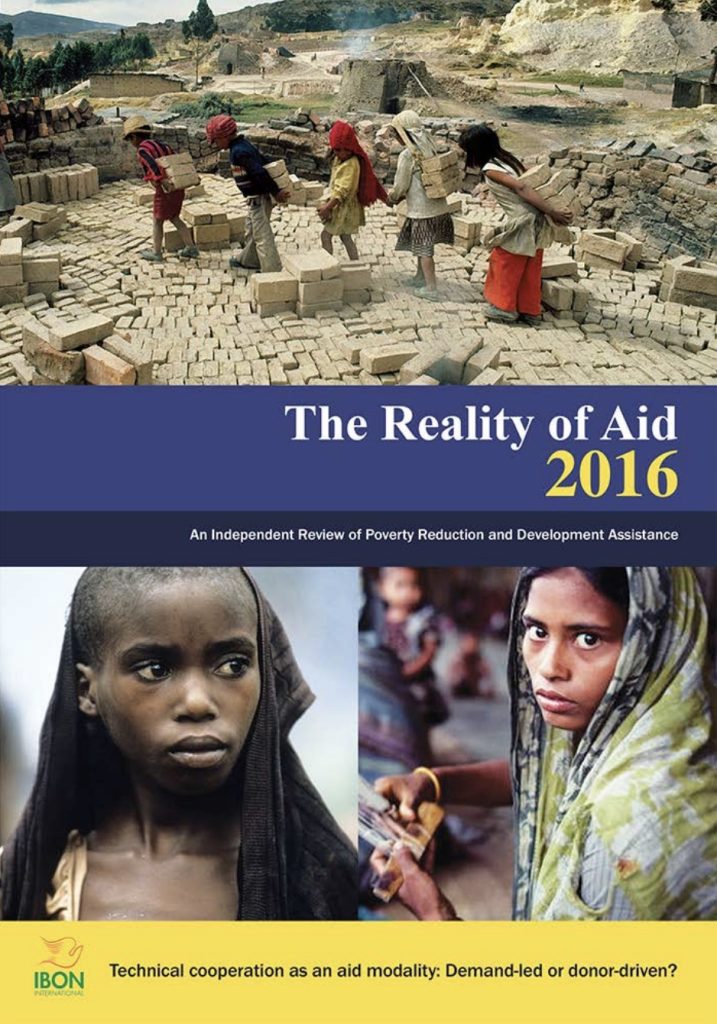
Technical cooperation remains one of the most heavily used forms of aid, accounting for between a quarter and a half of all ODA. However, to date it seems that technical cooperation remains largely insulated from donors’ efforts to improve the quality and effectiveness of their aid, largely ignoring the principles of democratic ownership and partnership.
An examination of technical cooperation should focus on the relationship between technical cooperation and capacity building initiatives by aid providers and commitments towards strengthening democratic country ownership. Policy space for democratic ownership, where people’s voices and interests can shape government development initiatives, is vital if technical assistance is to be effective in building capacity for sustainable poverty reduction. Are recipient developing countries free to decide, plan, and sequence their economic policies to fit with their own development strategies? How can technical assistance as a disguised or soft form of policy conditionality be avoided? What reforms are needed on the part of aid providers in their approaches to technical cooperation that is consistent with their commitment to ownership? How can developing countries’ governments and other recipients of technical assistance create the conditions to manage this form of cooperation in their own interests?